

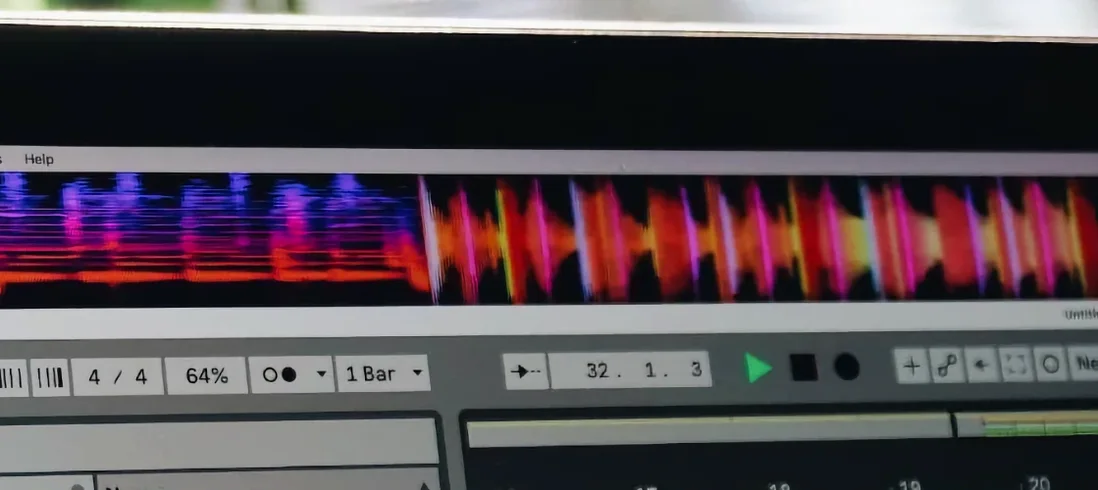
MiniMeters 1.0.30.358 Mac
A mastering engineer opens a reference track, drops MiniMeters onto the master bus, and glances at the waveform while the chorus hits. The display moves in real time, showing exactly where the transients land.
What the meters tell you
The main window carries a waveform display that scrolls as audio plays, making it easy to spot clipped peaks or sections that run hotter than the rest of the mix. A stereo meter sits alongside it, flagging left-right balance issues before they reach a listener's headphones. For loudness, MiniMeters reports both integrated and short-term LUFS, so comparing a working mix against a reference track becomes a numbers game rather than guesswork. The spectrogram update that arrived in v0.8.0 adds a frequency-over-time view, useful for catching low-end rumble or harsh upper mids that a simple level meter would miss.
How it connects to a session
MiniMeters runs as a standalone application for checking system audio, but the plug-in path is where it earns its keep. A dedicated signal-transfer server pipes audio from a DAW into the meter window without adding latency that would throw off a tracking session. It is a simple metering suite, and the toolset stays focused on that brief: no corrective processing, just measurement.
Scrub audio straight from the frozen waveform
Click-hold the waveform display and drag sideways. MiniMeters lets you scrub through the last few seconds of audio without opening a DAW, which is handy when you want to re-check a transient that already scrolled off screen. Most users discover this by accident, but once you know, it becomes muscle memory.
The stereo meter has a corner you can grab and resize independently of the other panels. Pull it wide for detailed phase analysis, or shrink it to a narrow strip when screen space is tight. In the standalone app, right-clicking any meter panel brings up a compact color palette—five swatches, no menus, no confirmations. Changing the waveform from green to amber takes about a second and sticks until you change it again. The default green-on-black theme works fine in a dim studio, but the amber option cuts less glare on a bright laptop screen during an outdoor recording session.
Double-click any meter to isolate it full-window. Double-click again to return to the multi-panel view. This is an old trick from video editing software that somehow never made it into most audio tools. MiniMeters uses it everywhere—waveform, spectrogram, stereo meter, LUFS readout. Toggling a single meter full-screen for a critical listening pass, then snapping back to the overview layout, feels fast in a way that dock-and-tab interfaces rarely manage.
The MiniMetersServer helper, which shuttles audio from a DAW into the meter window, appears as a menu bar icon on macOS. Click it and you get a dropdown with one option: start or stop the stream. No settings panel, no buffer size dialogue. It picks up the system audio routing automatically. If your DAW is sending to the default output, the server finds it. If you route to a different device, the server follows. On a Mac with multiple interfaces—say, an Apollo for tracking and built-in speakers for casual listening—the server switches devices when the DAW switches, which removes one small source of friction from a mixing workflow.
Switch the LUFS meter to short-term for real-time dynamics
The default LUFS meter shows integrated loudness, which averages the entire playback. Switch the readout to short-term LUFS before you start referencing commercial tracks. Short-term mode updates every three seconds and reacts to chorus-versus-verse dynamics in a way that integrated readings smooth over. The toggle is a single button on the LUFS panel, labelled only with an S—small enough that a first-time user might miss it entirely.
The spectrogram, added in v0.8.0, defaults to a linear frequency scale. Open the right-click menu on the spectrogram panel and switch it to logarithmic. A log scale maps frequency the way human hearing works, spreading low frequencies wider and compressing the highs. For a mix engineer chasing a muddy 200 Hz buildup, the linear view can make the problem look smaller than it sounds. The log view gives bass issues the screen real estate they deserve.
The waveform display defaults to a fast scroll speed that suits real-time monitoring, but it can feel frantic during a playback review. Slow it down by dragging the small handle at the bottom edge of the waveform panel. A slower scroll spreads peaks apart and makes it easier to compare the attack of a kick drum against a bass note on the same beat. The adjustment isn't labelled—just a tiny grip strip—but it is one of the first things worth changing after installation.
What the version 1.0.30 fixes changed in daily use
The fixes in v1.0.30 addressed interface annoyances that had lingered through earlier builds. One bug caused the stereo meter to freeze briefly when switching between the standalone app and the plug-in server connection; a user who toggled between system audio monitoring and a DAW session multiple times per day would hit this several times a week. The freeze was short—under two seconds—but it broke the "set and forget" rhythm that a meter window is supposed to provide. Version 1.0.30 eliminated it entirely, and switching sources now feels instant on both Intel and Apple Silicon machines.
Another fix tightened the spectrogram's frequency scaling at very low levels. Before the update, quiet signals below roughly -40 dBFS sometimes painted incomplete frequency data, leaving blank streaks in the display that looked like dropouts. The spectrogram now traces cleanly down to the noise floor, which matters when you are checking a fade-out or verifying that a reverb tail dies smoothly. The fix also corrected a small alignment offset in the waveform view, where the left-channel trace would occasionally lag one pixel behind the right—invisible during loud playback, but noticeable to anyone zoomed in on a stereo file with sharp transients.
These are not headline features. They are the kind of corrections that remove friction from a session without changing what the software looks like on a product page. For a metering tool that stays open for hours at a time, the cumulative effect of smoother switching, cleaner spectrogram traces, and aligned waveform channels makes the window feel more like a piece of hardware and less like a software afterthought.
Fitting MiniMeters into a broader setup
MiniMeters does not process audio, which makes it a natural companion to corrective tools rather than a competitor. A common arrangement pairs it with an EQ plug-in on the master bus: the spectrogram highlights a resonant frequency, the EQ cuts it, and the LUFS meter confirms the overall level did not drop. Because MiniMeters runs in its own window outside the DAW, it stays visible while the mixer is tweaking plug-in parameters—no tab-switching, no overlapping windows inside a cramped plug-in chain view.
The standalone system-audio mode gives it a role outside music production as well. Open MiniMeters, set it to system audio, and play a video call recording, a podcast edit, or a game soundtrack. The stereo meter flags hard-panned dialogue, the waveform shows clipped peaks from a hot microphone, and the LUFS readout gives a quick loudness reference for anyone who needs to match levels across different media files. On macOS, the app respects the system audio output routing set in the Sound preference pane, so it follows the same device that Core Audio is feeding—no extra configuration, no virtual audio driver to install.
For users who want a lightweight metering front-end in a multi-monitor setup, MiniMeters can live on a secondary display next to a full-screen DAW arrange window. Because the plug-in server transmits data rather than audio, moving the meter window across displays does not introduce sync drift. The server keeps its own clock independent of the DAW's buffer, so the visual refresh stays steady even when the session buffer size changes during tracking versus mixing passes.
Pulling up a minimeters free download from a trusted source is straightforward enough that it has become a quick recommendation in producer forums alongside more elaborate metering suites. Some users search for a MiniMeters crack or MiniMeters crack Mac, and the standard installer handles macOS 10.15 and later without complication. A MiniMeters torrent might circulate in some circles, and the minimeters free download path remains popular among bedroom producers assembling a first monitoring toolkit.
Version 1.0.30.358 addressed several long-standing bugs along with minor interface issues.
- macOS 10.15 or later
- Intel and Apple Silicon Macs
- Version
- 1.0.30.358
- Download
- 103 MB
- Developer
- Direct Music
- Languages
- English
- Activation
- Not required
- Compatibility
- macOS 10.15 or later
- Architecture
- Apple Silicon, Intel 64-bit
Questions readers asked
Yes, it can run independently to meter system audio.
It displays overall and peak LUFS levels, which helps when checking mixes against loudness standards.
Sign in or open a desk account to write a letter.
No letters on this brief yet. They are read before they run.



 Top
Top